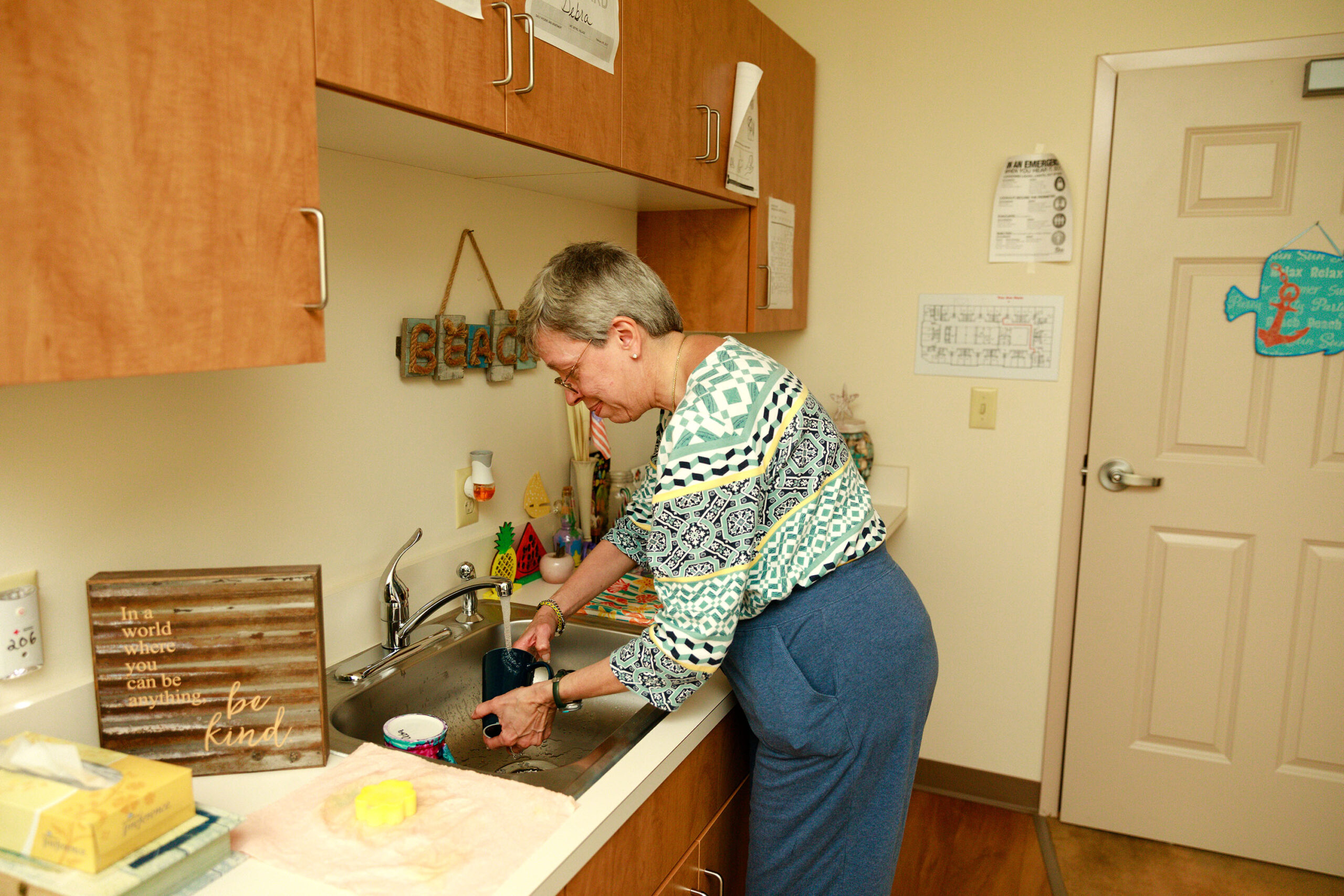
As individuals with autism reach adulthood, one of the most common and important questions families ask is: can adults with autism live alone?
The answer is not one-size-fits-all. While some adults on the spectrum can live independently, many benefit from structured environments that provide guidance, safety, and daily support. Understanding the full picture can help families make informed decisions that prioritize both independence and well-being.
At Mt. Bethel Village in Warren, NJ, we work closely with families to explore safe, supportive alternatives that balance autonomy with care.
What Does Independent Living Mean for Adults With Autism?
Independent living can look very different depending on the individual. For some, it may mean living alone with minimal support. For others, it may involve living in a structured setting with assistance for daily routines.
True independence is not just about living alone. It includes:
- Managing personal hygiene and daily routines
- Preparing meals and maintaining a living space
- Handling finances and appointments
- Navigating social situations and communication
- Responding to emergencies safely
For a helpful starting point, many families begin researching options to understand the different levels of support available.
Can Adults With Autism Successfully Live Alone?
Yes, some adults with autism can live alone, especially those who:
- Have strong communication and problem-solving skills
- Can manage routines consistently
- Are comfortable handling unexpected situations
- Have access to external support systems
However, many individuals face challenges that can make living alone difficult or unsafe without support.
These challenges may include:
- Difficulty with executive functioning and organization
- Sensory sensitivities that impact daily tasks
- Social isolation and lack of peer interaction
- Anxiety when routines are disrupted
- Limited ability to respond to emergencies
Because of this, families often explore alternatives such as housing for adults with autism that provide structured independence.
The Risks of Living Alone Without Support
While independence is a goal for many families, living alone without the right level of support can create risks, including:
- Missed medications or health needs
- Poor nutrition or inconsistent meals
- Safety concerns in emergencies
- Increased isolation and mental health challenges
This is why many families transition toward special needs housing, where individuals can still experience independence within a safe and supportive environment.
What Are the Alternatives to Living Alone?
For many adults, the most successful path is not complete independence, but supported independence.
1. Supported Living Communities
These environments provide private or semi-private living spaces with staff available for guidance and assistance.
Mt. Bethel Village offers a structured approach through its residential program designed specifically for adults with autism and developmental disabilities.
2. Assisted Living for Autism
These programs combine housing with life skills training, daily support, and community integration.
Residents benefit from:
- Routine-based schedules
- Staff assistance when needed
- Opportunities for social interaction
- Ongoing skill development
3. Integrated Day Programs
Day programs complement residential living by providing structure, purpose, and engagement during the day.
You can learn more about structured programming through the day program for adults with special needs, which supports skill-building and social development.
How to Determine the Right Living Option
Choosing between independent living and housing for adults with autism depends on several factors:
- Level of daily support needed
- Ability to manage routines independently
- Communication and social skills
- Safety awareness
- Emotional regulation and adaptability
Families should also consider long-term sustainability. What works today should continue to work five or ten years from now.
If you are unsure where to start, explore options with a professional team like Mt. Bethel Village to help guide your decision.
Why Supported Housing Often Leads to Better Outcomes
For many individuals, special needs housing provides the best balance between independence and support.
Benefits include:
- Increased confidence through structured routines
- Opportunities to build friendships and social skills
- Consistent support from trained staff
- A safer, more predictable environment
- Gradual development of independence over time
Rather than limiting independence, these environments often enhance it by providing the tools and support needed to succeed.
Final Thoughts
So, can adults with autism live alone?
For some, the answer is yes. But for many, the most successful and fulfilling path is one that includes support, structure, and community.
The goal is not just independence, but sustainable independence, where individuals can thrive safely, confidently, and with purpose.
At Mt. Bethel Village in Warren, NJ, we are committed to helping families find that balance through compassionate care and structured living solutions.
If you’re exploring options, consider reaching out by Contacting Us to learn more or to schedule a tour.
Frequently Asked Questions (FAQ)
Can adults with autism live completely independently?
Some adults with autism can live independently, but many benefit from structured environments that provide support with daily tasks, routines, and safety.
What is the best housing option for adults with autism?
The best option depends on the individual’s needs. Many families choose housing for adults with autism that offers a balance of independence and support, such as assisted living or residential programs.
What is special needs housing?
Special needs housing refers to residential communities designed for individuals with developmental disabilities, offering structured support, supervision, and life skills development.
Is assisted living better than living alone for adults with autism?
For many individuals, assisted living provides a safer and more supportive environment, reducing risks while promoting independence and social engagement. This does not mean it is or isn’t better. Your specific situation will determine that answer.
How do I know if my loved one needs supported housing?
Signs may include difficulty managing daily routines, safety concerns, social isolation, or increased reliance on caregivers.